What Impacts the Cost of a Private Jet?
Private aviation offers unmatched flexibility, privacy, and comfort.
But you may wonder why one private jet price can be $5,000 per hour while another exceeds $15,000.
The answer is simple.
Many factors influence the final private jet charter quote you receive.
When you understand these factors, you make smarter decisions about chartering, ownership, or fractional programs.
This guide explains exactly what impacts on-demand private jet pricing so you can plan your travel with confidence.
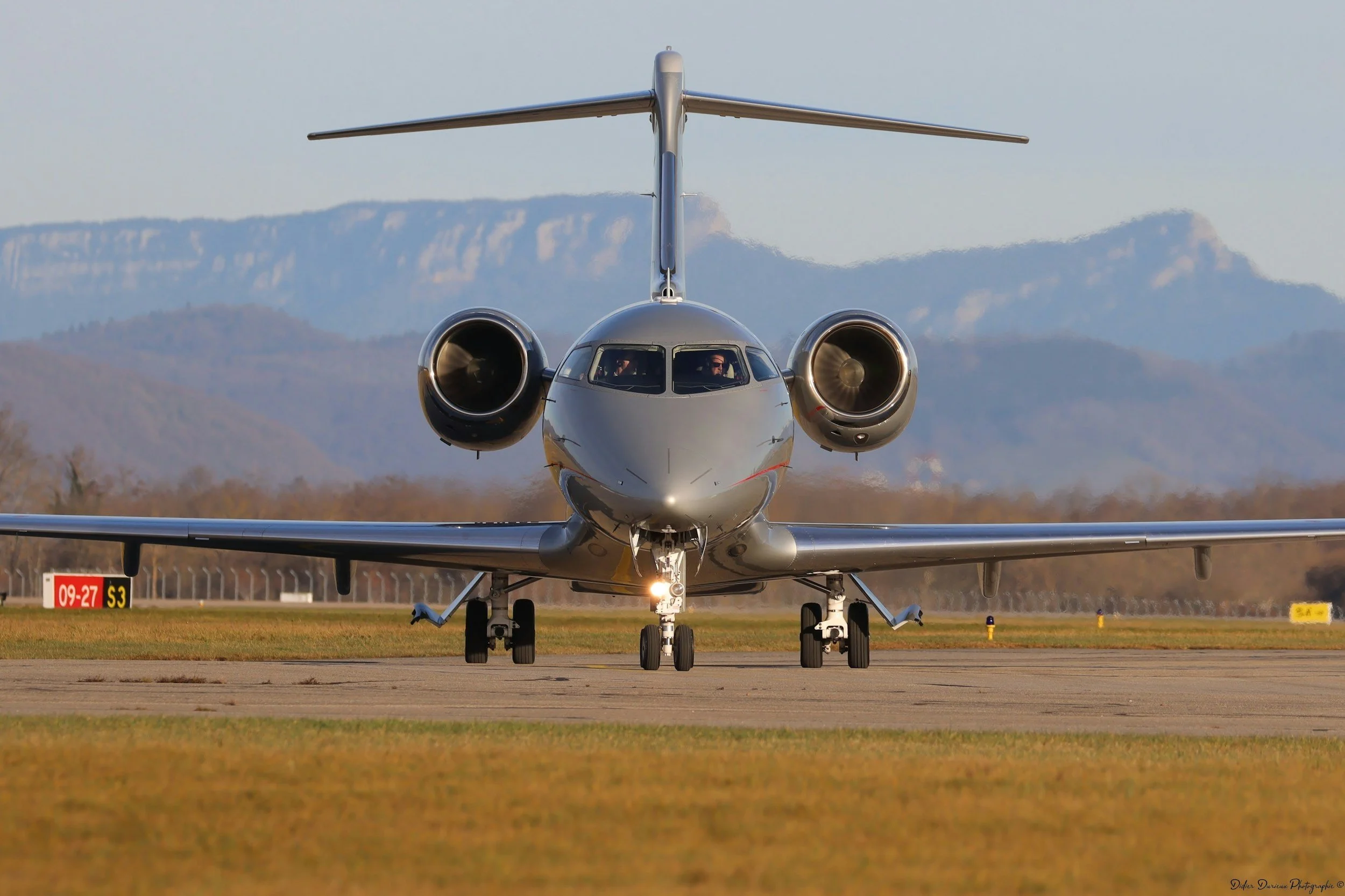
1. Aircraft Type Is the Biggest Cost Factor
The aircraft you choose has the biggest impact on your total charter price.
Larger jets cost more because they burn more fuel and require larger crews.
You also pay more for longer range, larger cabins, and premium interiors.
Typical Charter Rate Per Hour
Turboprop: $2,000 – $3,500
Light Jet: $3,000 – $5,000
Midsize Jet: $4,500 – $7,000
Super Midsize Jet: $6,000 – $9,000
Heavy Jet: $7,000 – $10,000
Ultra-Long Range Jet: $10,000 – $15,000+
You pay more when you need:
longer nonstop range
larger passenger capacity
luxury cabin configurations
new or flagship aircraft models
This is why the charter rate per hour can vary dramatically between aircraft.
2. Distance and Flight Time
Most operators calculate pricing based on flight hours.
This means the longer your trip, the higher the total cost.
You also need to account for minimum flight time rules.
Common Billing Factors
Minimum flight hours (usually 1.5–3 hours)
Crew duty time limits
Aircraft repositioning time
For example:
A short regional flight may cost $10,000–$20,000.
A transcontinental flight may cost $50,000–$80,000+.
You can lower costs by choosing aircraft suited for your route.
3. Aircraft Positioning Costs
Your aircraft might not be based at your departure airport.
If that happens, the jet must reposition before your flight.
You often pay for this repositioning time.
Positioning fees depend on:
aircraft location
distance to departure airport
availability in your region
You can reduce these costs by booking earlier or working with a charter broker.
4. Empty Leg Flights Deals
Empty leg flights are one of the best ways to save money.
An empty leg happens when an aircraft flies without passengers.
Operators sell these flights at discounted rates.
Benefits of Empty Legs
Up to 70% lower prices
Same luxury aircraft
Great for flexible schedules
Empty leg flights deals are popular with:
luxury leisure travelers
charter brokers
experienced private jet users
You must remain flexible because routes and timing cannot be changed.
5. Airport Fees and Operational Costs
The hourly charter rate does not include every cost.
Airports charge various operational fees.
Common Fees
Landing fees
Airport handling fees
Parking charges
De-icing fees
International permits
Busy international airports often charge higher fees.
These costs are typically added to your private jet charter quote.
6. On-Demand Private Jet Pricing vs Membership Programs
Private aviation offers several pricing models.
Your choice affects the overall cost.
On-Demand Private Jet Pricing
This is the most flexible option.
You simply book flights when needed.
Best for:
occasional flyers
travel brokers
companies with unpredictable travel schedules
You avoid long-term commitments.
Jet Cards
Jet cards offer prepaid flight hours.
You receive:
fixed hourly rates
guaranteed availability
simplified booking
These programs are popular with frequent private flyers.
Fractional Jet Ownership Pricing
Fractional ownership allows you to purchase a share of a jet.
You typically buy:
1/16 share
1/8 share
or larger ownership stakes.
You then pay monthly management fees and hourly flight costs.
This option works well if you fly regularly but do not want full ownership.
7. Private Jets for Sale Price
Some travelers decide to buy their own aircraft.
The private jets for sale price varies widely.
Typical Purchase Prices
Light jet: $3 million – $8 million
Midsize jet: $9 million – $20 million
Heavy jet: $20 million – $75 million+
You also need to consider depreciation and resale value.
Ownership offers maximum control but requires major financial commitment.
8. Private Jet Management Fees
Most aircraft owners hire professional management companies.
These companies handle operations and compliance.
Management Services Include
crew hiring
flight scheduling
maintenance oversight
regulatory compliance
charter revenue management
Typical private jet management fees range from $7,000 to $12,000 per month.
Management companies may charter your aircraft to offset operating costs.
9. Private Jet Pilot Salary Cost
Crew expenses are another major operational cost.
Pilots require extensive training and certification.
Typical Crew Costs
Captain salary: $150,000 – $250,000+
First officer salary: $80,000 – $150,000+
Cabin crew for large aircraft
You must also cover:
simulator training
travel costs
accommodations during trips
These costs are included in most charter pricing models.
10. Buying vs Chartering Private Jet Cost
Many high-net-worth travelers ask the same question.
Should you buy a jet or charter flights?
The answer depends on how often you fly.
Chartering Is Better If You
fly fewer than 200 hours per year
want access to different aircraft types
prefer zero long-term commitments
Ownership Makes Sense If You
fly 300–400 hours annually
want a customized aircraft
need guaranteed availability
Many UHNWIs combine both strategies.
They own one jet but charter larger aircraft when needed.
Final Thoughts
Private aviation pricing is complex but predictable once you understand the key drivers.
The biggest factors include:
Aircraft type
Flight distance
Positioning and empty legs
Airport and operational fees
Ownership structure
When you understand these variables, you can control your travel budget and maximize value.
Private aviation then becomes not just luxury travel, but a powerful business tool.
If you are interested in complimentary advice, you can contact James https://jamesnightingall.com/contact
