Is Flying Private Worth the Money? Guide for Executives and Luxury Travelers
You’ve probably asked yourself this question at some point: Is flying private worth the money?
The price tag can look shocking at first.
But when you factor in time, productivity, privacy, and flexibility, the answer can look very different.
If you’re an executive, founder, or high-net-worth traveler, this guide will help you decide if private aviation is actually worth it.
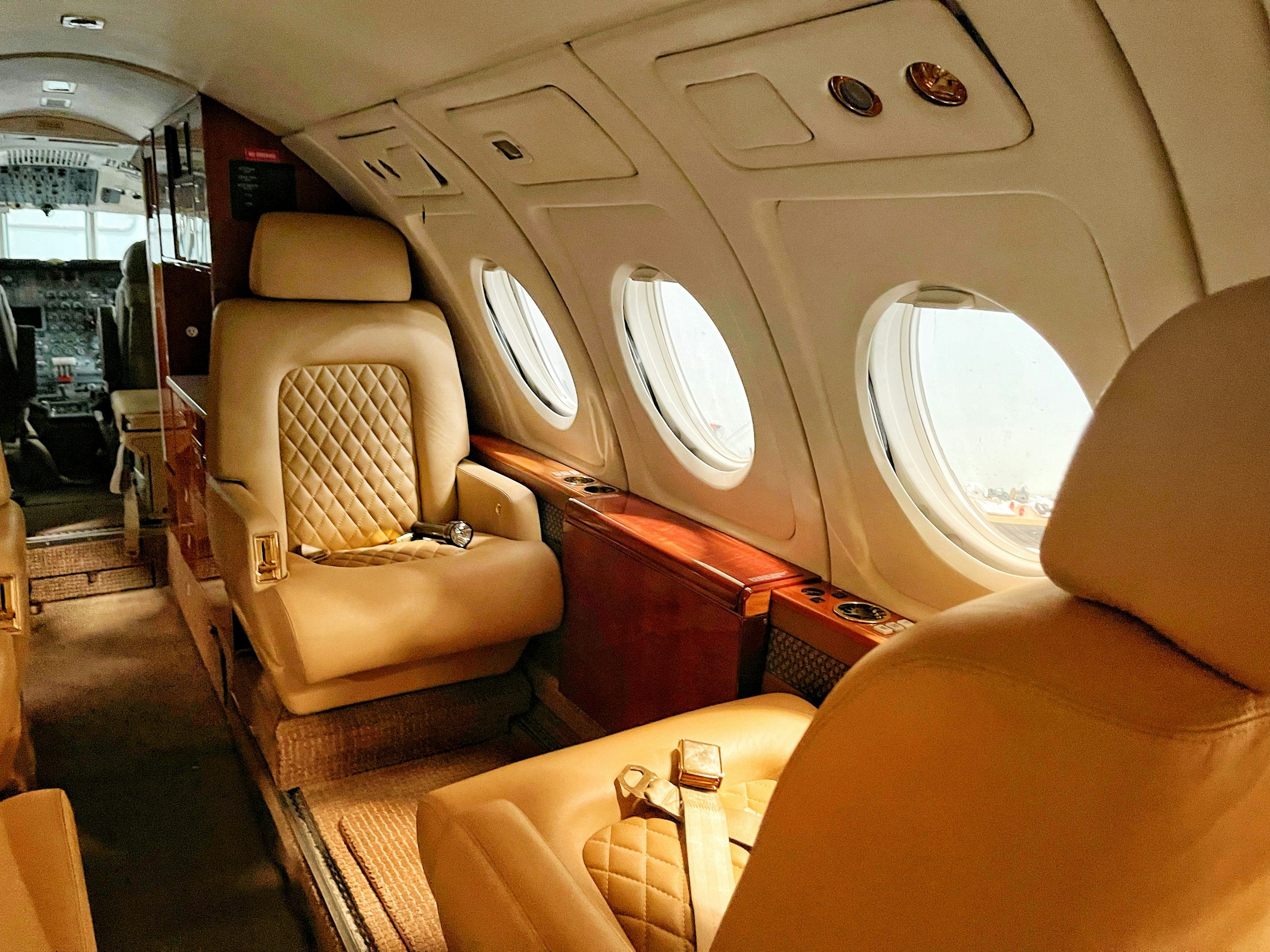
What You Really Get When You Fly Private
Flying private isn’t just about luxury.
It’s about control over your time and schedule.
When you fly private, you skip almost everything that makes commercial flying frustrating.
You get:
No TSA lines
No crowded terminals
No boarding delays
No layovers
No rigid schedules
Instead, you arrive about 15–30 minutes before takeoff and board immediately.
That alone changes the entire travel experience.
Private Jet vs Commercial: The Real Difference
When comparing private aviation to airlines, the biggest difference is efficiency.
Here’s a quick breakdown.
Private Jet Travel
Arrive 15–30 minutes before departure
Use private terminals (FBOs)
Choose your own departure time
Fly into thousands of smaller airports
Complete privacy for meetings or calls
Commercial Travel
Arrive 1.5–3 hours early
Long security lines
Fixed airline schedules
Limited airport access
Crowded cabins
That’s why many executives rely on companies like NetJets, Flexjet, VistaJet, Wheels Up, XO, Bitlux, and Air Charter Service.
They understand that time is the most expensive asset they have.
How Much Does It Cost to Charter a Private Jet?
Private jet charter prices vary depending on the aircraft and route.
Typical hourly rates look like this:
Light jet: $3,000 – $5,000 per hour
Midsize jet: $5,000 – $8,000 per hour
Heavy jet: $8,000 – $15,000+ per hour
Example trip estimates:
New York → Miami: $20,000–$45,000
Los Angeles → Aspen: $30,000–$60,000
Yes, it’s expensive.
But for many travelers, the time savings justify the cost.
How Much Time Do You Actually Save?
Time is the biggest reason people choose private aviation.
When you fly commercial, you often lose hours to:
Security screening
Boarding delays
Layovers
Taxiing and waiting for gates
Private jets remove most of that.
You can often complete a trip in half the time.
You also gain access to over 5,000 airports, compared to about 500 used by commercial airlines.
That means your aircraft can land closer to your final destination.
The Hidden Costs of Private Jet Ownership
Owning a private jet sounds appealing.
But the costs are massive.
Annual ownership expenses often include:
Aircraft purchase ($5M–$75M+)
Pilot salaries
Maintenance and inspections
Hangar fees
Insurance
Fuel and operational costs
Total yearly costs can range from $700,000 to over $4 million.
That’s why many travelers prefer charter or membership models instead of ownership.
The Business Case for Flying Private
For executives, flying private isn’t always a luxury.
Sometimes it’s a business tool.
Consider this example.
Imagine a CEO who earns $2,000 per hour.
Commercial travel could waste:
2 hours at the airport
2 hours in connections
1 hour waiting at the gate
That’s five hours lost.
A private flight could reduce that to about one hour total.
That means four hours saved, which equals $8,000 in productivity.
Now multiply that across multiple executives traveling together.
Suddenly, private aviation becomes easier to justify.
Ways You Can Fly Private Without Buying a Jet
Most people who fly private don’t actually own a jet.
Instead, they use one of these options.
1. On-Demand Charter
You simply book flights when needed.
This is ideal if you fly fewer than 25–50 hours per year.
2. Jet Card Membership
Jet cards allow you to prepay for flight hours.
Common benefits include:
Fixed hourly rates
Guaranteed availability
Priority booking
3. Fractional Jet Ownership
You purchase a share of an aircraft instead of the entire plane.
This works best if you fly 50–200 hours per year.
Empty Leg Flights: The Secret to Cheaper Private Travel
One of the best ways to reduce private jet costs is empty leg flights.
These happen when a jet needs to reposition for another booking.
Instead of flying empty, operators sell those seats at a discount.
Typical savings:
50–75% cheaper than normal charter prices
For example:
A $25,000 flight might drop to $8,000–$12,000.
If your schedule is flexible, empty legs can make private flying surprisingly affordable.
What About Environmental Impact?
Private aviation often gets criticized for its environmental impact.
However, the industry is slowly improving.
New initiatives include:
Sustainable aviation fuel (SAF)
Carbon offset programs
More fuel-efficient aircraft
Many charter companies now offer carbon-neutral private flights.
It’s not perfect yet, but sustainability efforts are growing.
When Flying Private Is Actually Worth It
Flying private makes the most sense in certain situations.
For example:
Corporate executives who value time efficiency
Entrepreneurs traveling between multiple cities in one day
Celebrities or athletes who need privacy and security
Ultra-wealthy families traveling with large groups
Medical transport professionals who need urgent travel
In these cases, private aviation delivers real value.
When It Might NOT Be Worth It
Private aviation isn’t always the best choice.
It may not make sense if:
You’re traveling alone
The trip is under one hour
Business class meets your needs
You’re extremely price sensitive
Sometimes commercial first class can still provide a comfortable experience.
Final Verdict: Is Flying Private Worth the Money?
The answer depends on what you value most.
If you prioritize:
Time
Flexibility
Privacy
Productivity
Convenience
Then flying private can absolutely be worth it.
For many executives and high-net-worth travelers, private aviation isn’t just a luxury.
It’s a strategic advantage.
If you are interested in complimentary advice, you can contact James https://jamesnightingall.com/contact
