How Much Does It Cost to Fly Private? (A Practical Guide for Luxury Travelers)
Flying private isn’t just about luxury.
For many executives, entrepreneurs, and high-net-worth travelers, it’s about time, privacy, and control.
But before booking a private jet, most people ask one simple question:
How much does it actually cost to fly private?
The short answer: it depends.
The long answer is more useful.
Let’s break down exactly what you can expect to pay—and why.
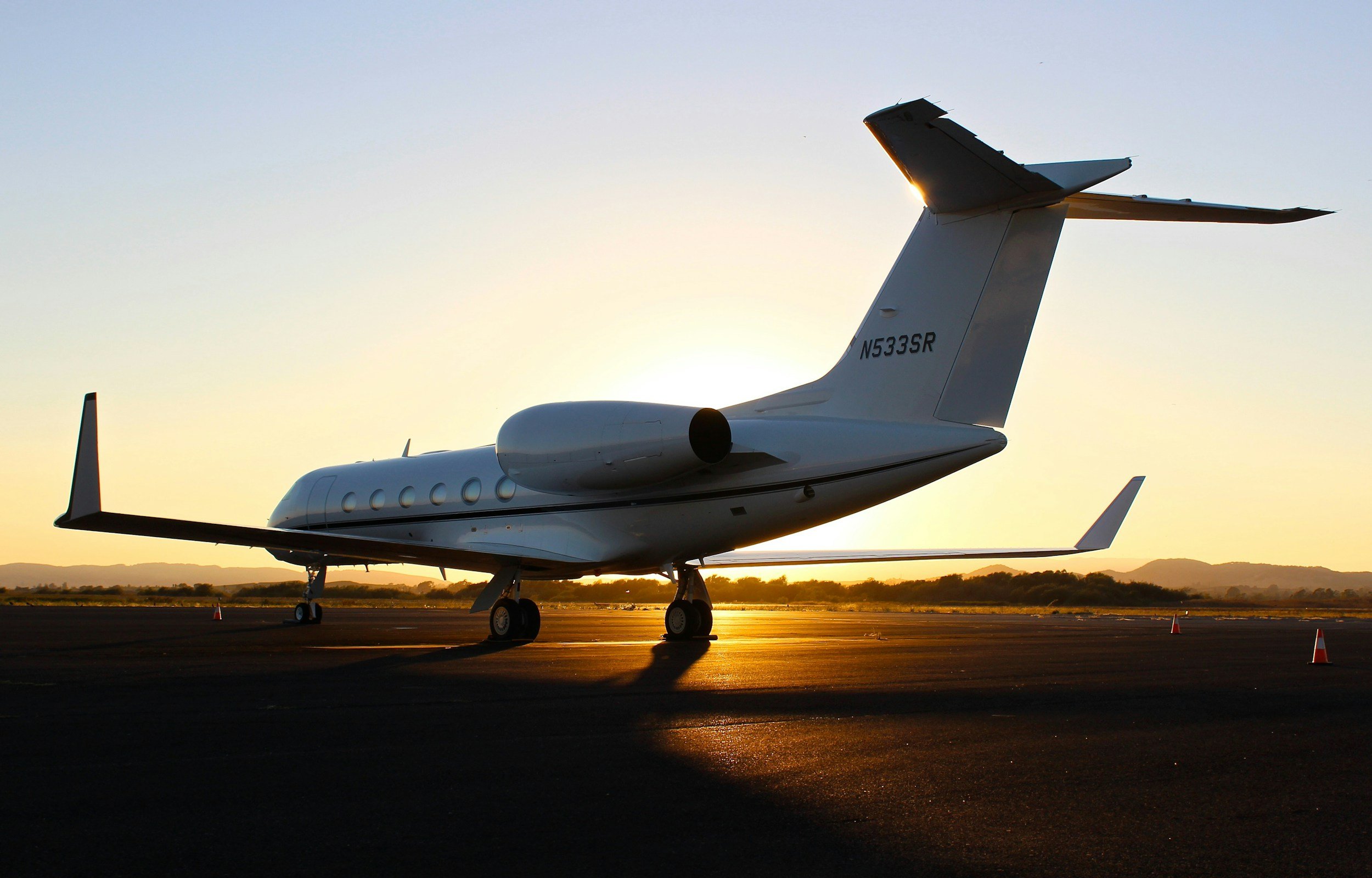
The Average Cost to Fly Private
Private jet charters are typically priced per flight hour.
The bigger the aircraft, the higher the hourly rate.
Here’s a quick breakdown.
1. Turboprop Aircraft
Best for short regional trips.
Typical cost:
$1,500 – $3,000 per hour
Ideal for:
Short distances
Small groups
Regional travel
2. Light Jets
A popular option for quick business trips.
Typical cost:
$3,000 – $5,500 per hour
Best for:
4–7 passengers
Trips under 3 hours
3. Midsize Jets
More cabin space.
Longer range.
Typical cost:
$5,000 – $8,000 per hour
Great for:
Cross-country travel
Business teams
4. Super Midsize Jets
These aircraft combine range with comfort.
Typical cost:
$8,000 – $12,000 per hour
Perfect for:
Coast-to-coast travel
Executive flights
5. Heavy Jets
This is where long-distance luxury begins.
Typical cost:
$12,000 – $20,000+ per hour
Designed for:
International routes
Large groups
Maximum comfort
What Does a Private Jet Trip Actually Cost?
Hourly pricing is helpful.
But most travelers prefer real examples.
Here are estimated charter prices for common routes.
Example Private Jet Prices
New York → Miami
$20,000 – $45,000
Los Angeles → Las Vegas
$10,000 – $25,000
London → Paris
$8,000 – $20,000
Dubai → London
$120,000 – $200,000
Why the difference?
Because several factors influence the final price.
6 Factors That Affect Private Jet Pricing
Private aviation pricing isn’t random.
It follows a clear structure.
Here are the main factors.
1. Aircraft Size
Larger jets cost more to operate.
They require:
more fuel
larger crews
higher maintenance
But they also provide:
longer range
larger cabins
more luxury features
2. Flight Distance
Flights are billed based on hours in the air.
So naturally:
longer flights cost more
shorter flights cost less
3. Airport Fees
Every airport charges fees.
These may include:
landing fees
handling charges
aircraft parking
Major airports usually charge more.
4. Crew Costs
Pilots and cabin crew have strict duty limits.
If a trip requires overnight stays, additional costs may include:
hotels
meals
transport
5. Fuel Prices
Fuel is one of the largest operating expenses.
When fuel prices rise, charter costs may increase as well.
6. Travel Demand
Private aviation follows demand patterns.
Prices may increase during:
holidays
major sporting events
peak summer travel
Booking early helps avoid these spikes.
Additional Costs You Should Know About
The charter rate covers the aircraft.
But some services are optional.
Many travelers choose to enhance their experience with extras.
Examples include:
Custom in-flight catering
Luxury ground transportation
International permits
De-icing services in winter
High-speed onboard Wi-Fi
These costs vary depending on the trip.
Private Jet Charter vs Owning a Jet
Some travelers consider buying their own aircraft.
But ownership comes with major responsibilities.
Here’s the difference.
Chartering a Private Jet
Most travelers choose this option.
Why?
Because it offers flexibility.
Benefits include:
pay only when you fly
choose different aircraft
no maintenance costs
Fractional Jet Ownership
Fractional ownership allows you to purchase a share of a jet.
This option provides:
guaranteed flight hours
lower cost than full ownership
But it still requires a long-term commitment.
Full Private Jet Ownership
Owning a jet is a serious investment.
Typical purchase prices:
$3 million to $90+ million
Annual operating costs can include:
$500,000+ in maintenance
crew salaries
insurance
hangar fees
For many travelers, chartering simply makes more financial sense.
How to Reduce the Cost of Flying Private
Flying private doesn’t always mean paying full price.
Smart travelers often use these strategies.
1. Book Empty Leg Flights
An empty leg happens when a jet flies without passengers.
Operators may discount these flights by up to 75%.
2. Use Jet Cards
Jet cards allow you to prepay flight hours.
Benefits include:
fixed hourly rates
quick booking
predictable pricing
3. Join a Private Aviation Membership
Membership programs offer:
preferred pricing
faster booking
access to more aircraft
4. Stay Flexible
Small changes in travel time can unlock better aircraft availability.
Flexibility often means lower prices.
Why Successful People Fly Private
Private aviation is rarely just about luxury.
It’s about efficiency.
Here’s why many executives prefer it.
Time Savings
Private aviation eliminates:
long security lines
crowded terminals
long boarding processes
Access to More Airports
Commercial airlines serve about 500 airports worldwide.
Private jets can access thousands of smaller airports.
That means you land closer to your destination.
Complete Privacy
You control who’s onboard.
That means:
confidential conversations
uninterrupted work
total privacy
Flexible Scheduling
You choose when the plane departs.
Not the airline.
How to Book a Private Jet
Booking a private jet is simpler than most people expect.
The process usually looks like this:
Request a quote
Choose your aircraft
Customize the flight experience
Confirm the itinerary
From there, the aviation team handles everything.
Is Flying Private Worth It?
If your time is valuable, the answer is often yes.
Private aviation offers something commercial airlines cannot:
flexibility
privacy
efficiency
complete control of your travel schedule
For many high-net-worth travelers, those advantages are priceless.
Ready to plan your next flight?
If you are interested in complimentary advice, you can contact James https://jamesnightingall.com/contact
