Chartering vs Owning a Private Jet: Which Option Is Right for You?
Private aviation gives you speed, privacy, and total control over your travel.
But you face one major decision.
Should you book a private jet when needed, or buy one outright?
Many high-net-worth travelers ask this question before entering private aviation.
You want convenience.
You want efficiency.
And you want the best value for how often you fly.
This guide explains chartering vs owning a private jet so you can decide what works best for you.
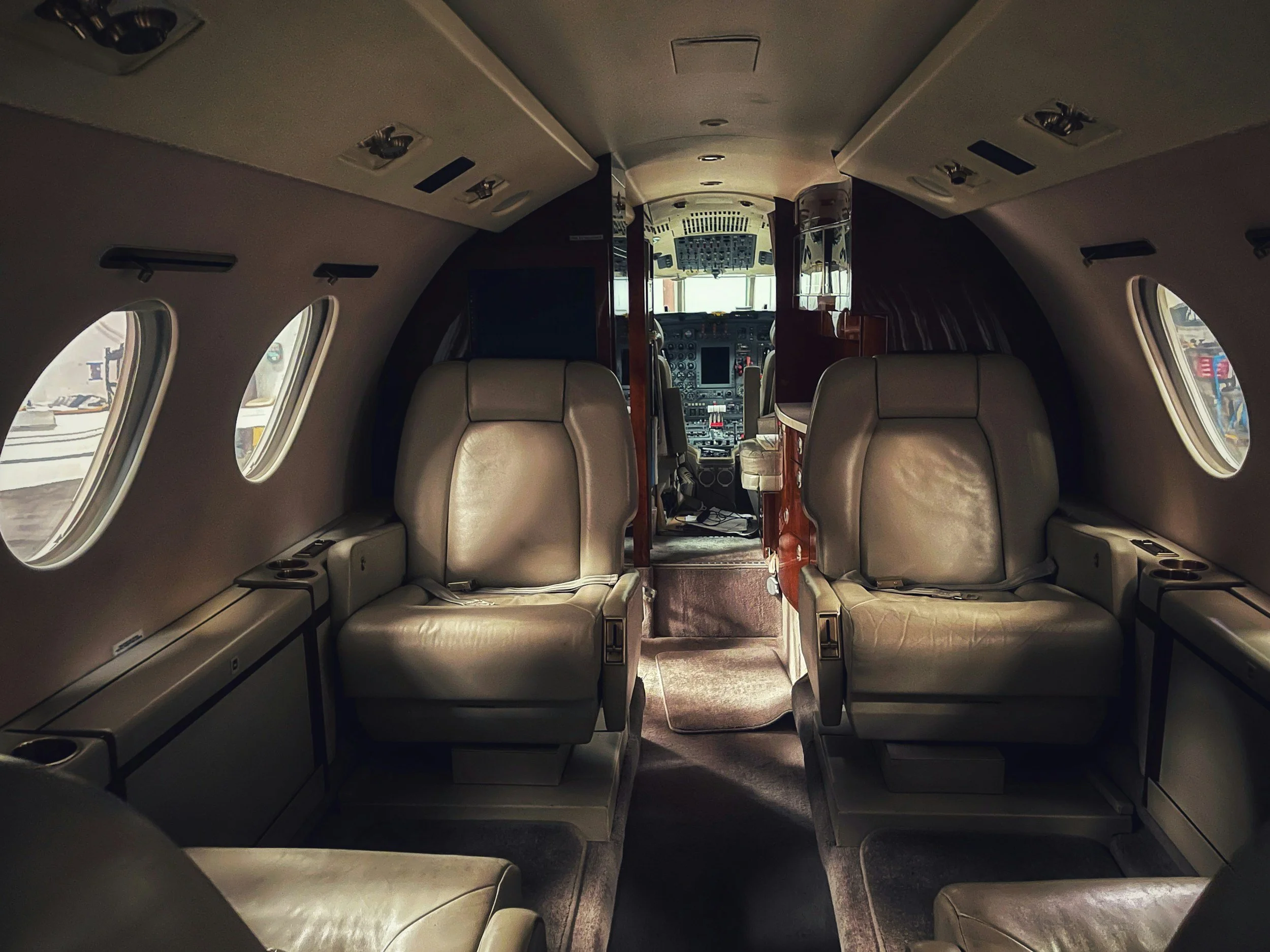
What It Means to Charter a Private Jet
Chartering means you rent a jet for a specific trip.
You pay only for the flights you take.
You do not own the aircraft.
You simply book a private jet whenever you need one.
This option is popular with executives, entrepreneurs, and celebrities who want flexibility.
How Private Jet Charter Works
The process is simple.
You choose:
Departure airport
Destination
Passenger count
Aircraft type
Then a broker or operator finds a jet for your trip.
You receive a quote.
You confirm the flight.
You fly.
Typical Charter Pricing
Private jet charter pricing varies by aircraft size.
Typical hourly ranges include:
Light jets: $2,000 – $3,500 per hour
Midsize jets: $3,000 – $6,000 per hour
Heavy jets: $5,000 – $11,000 per hour
Prices can increase during peak travel seasons.
Advantages of Chartering
Chartering gives you flexibility.
You avoid long-term commitments.
Key benefits include:
No aircraft purchase required
No maintenance responsibilities
No aircraft management fees
Access to thousands of aircraft worldwide
Ideal if you fly occasionally
You simply pay for the flights you take.
Limitations of Chartering
Chartering is flexible but not perfect.
You may experience:
Limited availability during peak travel periods
Variable pricing depending on demand
No guaranteed aircraft availability
These issues rarely affect occasional flyers.
What It Means to Own a Private Jet
Ownership means you purchase a jet.
The aircraft becomes your asset.
You control the schedule.
You decide when and where it flies.
Private Jet Purchase Costs
A private jet for sale can cost millions.
Typical ranges include:
Light jets: $3M – $8M
Midsize jets: $9M – $25M
Large jets: $30M – $70M+
Luxury aircraft can exceed $75M.
Operating Costs You Must Consider
Owning a jet involves more than the purchase price.
You must also pay ongoing operating costs.
These include:
Crew salaries
Fuel
Insurance
Maintenance
Hangar storage
Aircraft management fees
These costs can exceed $1M per year for larger aircraft.
Cost Per Flight Hour for Private Jet Owners
Ownership also has an hourly operating cost.
Typical cost per flight hour private jet owner faces includes:
Light jet: $2,000 – $3,000
Midsize jet: $3,000 – $5,000
Heavy jet: $6,000 – $10,000+
Fuel and maintenance increase these costs.
Benefits of Private Jet Ownership
Ownership offers maximum control.
Many UHNW individuals value this control.
Benefits include:
Guaranteed aircraft availability
Custom aircraft interiors
Brand prestige
Complete scheduling freedom
Ownership can also provide private jet tax benefits in certain jurisdictions.
Drawbacks of Ownership
Ownership comes with responsibilities.
You must manage a complex aviation asset.
Challenges include:
Large upfront investment
Aircraft depreciation
Ongoing operational costs
Regulatory and maintenance oversight
For many travelers, these costs outweigh the benefits.
Private Jet Charter vs Ownership Cost
Cost is the biggest factor in your decision.
Here is a simple comparison.
| Factor | Charter | Ownership |
|---|---|---|
| Upfront investment | None | $3M – $70M+ |
| Hourly cost | $2k – $11k | $6k – $35k+ |
| Annual commitment | None | $500k – $10M+ |
| Maintenance | Not your responsibility | Your responsibility |
| Flexibility | Very high | Moderate |
Most experts agree on one key threshold.
Ownership becomes efficient around 300–400 flight hours per year.
If you fly less than that, chartering is often cheaper.
Fractional Jet Ownership Programs
Fractional ownership sits between chartering and full ownership.
You purchase a share of an aircraft.
This gives you guaranteed access without buying the entire jet.
How Fractional Ownership Works
You buy a percentage of the aircraft.
Typical shares include:
1/16 share
1/8 share
1/4 share
Your share determines how many flight hours you receive each year.
Typical Fractional Ownership Costs
Costs usually include:
Initial share purchase
Monthly management fees
Hourly flight costs
Initial investments often range from:
$500,000 to $3 million depending on aircraft type.
Why Travelers Choose Fractional Ownership
This option gives you balance.
You gain access to a fleet.
You also enjoy guaranteed aircraft availability.
This option is common among corporate executives and global entrepreneurs.
Private Jet Card vs Charter
Jet cards are another popular option.
They provide structured access to private aviation.
What Is a Jet Card?
A jet card works like prepaid flight hours.
You deposit funds with a provider.
Typical deposits include:
$100,000
$150,000
$250,000
You then use those funds to fly.
Benefits of Jet Cards
Jet cards offer predictable pricing.
You also receive priority booking.
Advantages include:
Fixed hourly rates
Simplified booking
Guaranteed availability with some providers
Many travelers compare private jet card vs charter before choosing.
Charter offers flexibility.
Jet cards offer predictability.
When Owning a Private Jet Makes Sense
Ownership works best for frequent flyers.
You may benefit if you fly 300+ hours per year.
Ownership can also make sense if you:
Run a global company
Travel internationally every week
Require privacy for high-profile travel
Want a customized aircraft experience
For these travelers, ownership delivers convenience and control.
When Chartering Is the Smarter Choice
Chartering works best for occasional flyers.
You should consider chartering if you:
Fly under 200 hours per year
Have variable travel schedules
Want luxury travel without long-term costs
Prefer flexibility over ownership
You still enjoy the private aviation experience.
But you avoid major capital investments.
5 Questions to Ask Before You Decide
Before choosing charter or ownership, ask yourself these questions.
How many hours do you fly each year?
Do you need guaranteed aircraft availability?
Are you comfortable managing aviation operations?
Do you want potential private jet tax benefits?
Would fractional ownership or jet cards meet your needs?
Your answers will guide your decision.
Final Verdict: Chartering vs Owning a Private Jet
There is no universal answer.
The right choice depends on your travel habits.
Here is the simplest rule.
Charter if you fly occasionally.
Own if you fly frequently.
Many executives start with charter.
Some later upgrade to fractional ownership or full aircraft ownership.
The key is choosing the model that fits your lifestyle and travel demands.
If you are interested in complimentary advice, you can contact James https://jamesnightingall.com/contact
